Tag Archive for: environment

Discover how you can help garden birds through the colder months, what to feed them and how small actions in your garden can make a big difference. Inspired by Bandit the Blue Tit from Tales from Mother Earth.

As the days grow shorter and the temperature begins to fall, our gardens start to change. Flowers fade, trees lose their leaves and the familiar sounds of summer gradually give way to the quieter months of winter.

But for the birds that share our gardens, winter can be one of the most challenging times of the year.

With fewer insects, berries and seeds available, finding enough food to keep warm and maintain their energy becomes much harder. Even our smallest garden visitors, including beautiful little blue tits, need a helping hand.

The good news is that there are lots of simple things we can do to make our gardens more welcoming to birds during the colder months.

And what better way to introduce children to the importance of looking after our feathered friends than through the adventures of Bandit the Blue Tit, one of the much-loved characters in our Tales from the Countryside storybook collection?

So, let’s discover how we can make our gardens a little more bird-friendly this winter.

Why Do Garden Birds Need Our Help in Winter?
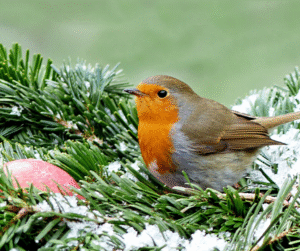
Have you ever looked outside on a frosty morning and wondered how the little birds manage to survive?

Birds are remarkably resourceful, but winter brings some real challenges.

Natural food becomes harder to find, particularly when the ground is frozen or covered in snow. There are fewer insects flying around, berries become scarce and daylight hours are shorter, leaving birds less time to find the food they need.

Birds also use energy to maintain their body temperature during cold weather. Finding enough food throughout the day is therefore especially important.

This is where our gardens can make a difference.

By providing suitable food, fresh water and safe places to shelter, we can help give garden birds a little extra support when they need it most.

What Should We Feed Garden Birds in Winter?

One of the easiest ways to help birds is to provide a regular supply of suitable food.

Different birds enjoy different things, so offering a variety can attract a wonderful selection of visitors to your garden. Following the winter guidance of RSPB,  which allows seeds and peanuts from 1 November to 30 April, alongside other suitable foods, here are some good winter food choices:

1. Sunflower Hearts and Seeds

Sunflower hearts are a fantastic choice for garden birds. They are rich in energy and popular with blue tits, great tits, finches and sparrows.

They are also easy for smaller birds to eat because the outer husks have already been removed.

2. Peanuts

Raw, unsalted peanuts are another excellent source of energy and protein during the colder months.

Blue tits and other members of the tit family enjoy feeding on peanuts, but always use a suitable mesh feeder designed for birds rather than offering whole peanuts loose.

3. Suet Balls and Fat-Based Foods

Winter is a good time to offer high-energy foods such as suet pellets and fat balls.

These provide valuable energy to help birds maintain their body temperature during cold weather.

Choose good-quality products designed for wild birds and avoid putting food out in plastic mesh bags, which can trap birds’ feet and cause injuries.

4. Mealworms

Mealworms are a favourite with many garden birds, including robins, blue tits and blackbirds.

They provide a useful source of protein and can be offered dried or live.

If using dried mealworms, soaking them in water can make them easier to eat.

5. Fruit

You can also offer small amounts of suitable fresh fruit, such as apple and pear.

Blackbirds and other garden visitors may appreciate these, particularly when natural fruit supplies become limited.

Remember that the key is to offer suitable food in moderation, adjusting quantities to what your garden birds actually eat.

Don’t Forget Fresh Water!

Food isn’t the only thing birds need during winter.

Finding fresh water can be surprisingly difficult when temperatures drop and garden ponds and puddles freeze over.

Providing a shallow container of fresh water can make a real difference.

A few simple tips:

    • Use a shallow bird bath or plant saucer with gently sloping sides.
    • Replace the water every day.
    • Clean the container regularly.
    • If the water freezes, gently thaw it using warm water.
    • Never use salt or antifreeze to melt ice in drinking water.

Birds need water for drinking and bathing, even during the colder months.

Keep Your Bird Feeders Clean

When lots of birds visit the same feeding area, there is a risk of diseases spreading.

This is why keeping feeders clean is just as important as providing food.

Here are a few simple ways to help:

    • Clean and move feeders at least once a week.
    • Remove old food before adding fresh supplies.
    • Keep food as dry as possible.
    • Avoid allowing uneaten food to build up underneath feeders.
    • Choose hanging feeders rather than flat feeding tables.
    • Wash your hands after handling feeders or bird baths.

If you notice sick birds visiting your feeders, stop feeding, clean the equipment thoroughly and follow current RSPB advice before starting again.

A little regular maintenance helps keep your garden a safer place for visiting wildlife.

Create a Bird-Friendly Garden

Feeding birds is wonderful, but there are other ways we can make our gardens more welcoming.

Think about creating a little wildlife haven where birds can find food, shelter and somewhere safe to rest.

Here are a few ideas:

Plant native trees and shrubs. Hawthorn, holly and other berry-producing plants provide natural food and shelter.

Leave some natural areas. A little untidy corner with native plants can provide valuable habitat for insects and other wildlife.

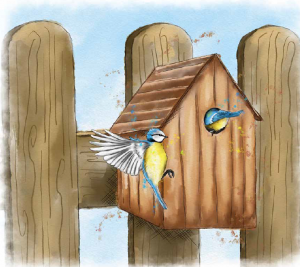
Add a nest box. Different birds have different nesting requirements, but a correctly designed nest box can provide a valuable place for birds to raise their young.

Provide safe shelter. Dense shrubs, hedges and evergreen plants offer protection from cold winds and predators.

The more welcoming we make our gardens, the more opportunities we create to enjoy the wildlife around us.

Meet Bandit the Blue Tit!
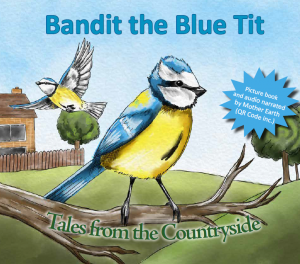
At Tales from Mother Earth, we believe that helping children understand and appreciate wildlife is one of the most important gifts we can give them.

That’s why we created our Tales from the Countryside storybook collection.

And one of our newest characters is a very special little bird called Bandit the Blue Tit.

Bandit’s story introduces children to the importance of providing safe places for birds to live and nest. Through his adventures, young readers discover how something as simple as putting up a nest box can make a real difference to the lives of our feathered friends.

His story is a lovely reminder that even the smallest actions can have a positive impact on the natural world.

And winter is the perfect opportunity to continue that conversation.

After reading Bandit’s story, why not encourage your children to become little wildlife helpers?

They could:

    • Help choose a suitable bird feeder for the garden.
    • Watch which birds visit and try to identify them.
    • Help an adult refill the feeders.
    • Look out for blue tits and see if they can spot their beautiful blue and yellow feathers.
    • Keep a little garden bird diary, recording which birds visit and when.

These simple activities help bring the story to life, turning a lovely reading experience into something children can enjoy in the real world.

Because caring for nature starts with understanding it.

A Little Winter Wildlife Challenge for Children

Why not set your children a little challenge this winter?

Become a Garden Bird Detective!

Choose a spot where you can safely watch the birds visiting your garden. Keep a notebook nearby and see how many different birds you can spot.

Can you find:

    • A blue tit?
    • A robin?
    • A blackbird?
    • A great tit?
    • A house sparrow?
    • A chaffinch?

Draw pictures of the birds you see, write down what they eat and record which ones visit most often.

You might even discover that your garden has some regular visitors!

It’s a wonderful way to encourage curiosity, patience and a love of the natural world.

Let’s Give Our Garden Birds a Helping Hand This Winter

Winter can be a difficult time for our garden birds, but we don’t have to do anything extraordinary to help them.

A little food, fresh water, a clean feeder and somewhere safe to shelter can all make a difference.

And perhaps most importantly, we can help the next generation understand why these small acts of kindness matter.

At Tales from Mother Earth, we hope stories like Bandit the Blue Tit will inspire children to look a little closer at the wildlife around them, ask questions and discover that they, too, can play a part in protecting nature.

So, this winter, wrap up warm, grab a notebook, look out into your garden and see who comes to visit.

You never know, you might just have a little Bandit waiting to say hello!

Discover Bandit the Blue Tit
Explore the Tales from the Countryside collection and join Bandit on his adventure. Beautifully illustrated stories, audio and nature-inspired learning activities help bring the wonders of wildlife to life for children.

Because every little action counts, and every child can make a difference.

Together, let’s help nature thrive.


Summer is one of the best times to help children build a real connection with the natural world. With longer days, warmer weather, and wildlife more active than ever, it becomes much easier to encourage outdoor curiosity and learning.

These wildlife activities for children are simple, low-cost, and designed to be done in gardens, parks, woodlands, or even small outdoor spaces. The aim is not to teach in a formal way, but to help children explore, observe, and develop a lasting relationship with nature.

Wildlife activities for children are simple outdoor experiences that help kids explore, observe, and learn about animals, insects, and plants in their natural environment.

1. Mini-Beast Safari in the Garden

One of the most exciting nature activities for kids is searching for tiny creatures hidden in plain sight and many can be found in UK gardens!

Children can explore under leaves, logs, and stones to find insects such as beetles, ants, and spiders. These small creatures play a huge role in ecosystems and are perfect for encouraging curiosity.

Why it works:

It helps children slow down and notice detail in the natural world.

Try this:

Set a timer for 10–15 minutes and see how many different mini-beasts they can find.

You can find a wonderful Bug Directory here from Buglife to help you identify your bugs which is a great help.

2. Birdwatching from Home or Garden

Birdwatching is one of the easiest outdoor activities for kids and requires no special equipment.

Common UK garden birds include robins, blackbirds, and blue tits. Children can observe colours, behaviours, and even try to recognise bird songs.

Extension idea:

Create a simple bird journal or tick list of sightings.

This bird directory from the RSPB will help you identify what you see and hear.

3. Wildlife Activities for Children: Wildflower Colour Hunt

Instead of focusing on plant names, turn this into a colour-based game.

Ask children to find flowers of different colours—yellow, purple, white, pink—and explore where they grow.

This introduces pollinators like bees and butterflies in a natural and engaging way.

4. Pond Dipping Adventure

If you have access to a pond or nature reserve, pond dipping is a fantastic wildlife activity for children.

Using a net and tray, children can observe tadpoles, water snails, and aquatic insects.

Important:

Always supervise children closely and return all creatures gently to their habitat.

Here a useful ID guide from WWT to help you.

5. Build a Bug Hotel

Creating a bug hotel helps children understand that wildlife needs shelter as well as food.

Using natural materials like sticks, bark, pinecones, and leaves, children can build a small habitat in a quiet corner of the garden.

This supports pollinators and beneficial insects while teaching conservation in action.

There’s a great article here from the Woodland Trust that gives you some extra tips on building a bug hotel.

6. Butterfly Spotting Challenge

Summer is peak butterfly season in the UK, making this a perfect activity.

Children can look for species such as the peacock butterfly or small tortoiseshell and observe how they move between flowers in our parks and gardens.

Extra help at identifying what you see is available with the butterfly ID guide from the Wildlife Trusts

Extra challenge:

Try a “stillness test” — how long can you stay still while butterflies come close?

7. Nature Photography for Kids

Give children a simple camera or phone and encourage them to capture moments from nature.

This might include insects on leaves, birds in flight, or patterns in bark and flowers.

It builds observation skills and encourages patience and creativity.

Extra ideas and tips for taking great pictures of wildlife can be found here courtesy of National Geographic Kids.

8. Create a Wildlife Water Station

During hot weather, wildlife struggles to find water. A shallow dish filled with fresh water can make a real difference.

Place it in a shaded, quiet area of the garden and keep it topped up regularly.

This supports birds, bees, and even hedgehogs in UK gardens.

9. Wild Listening Walk

This activity shifts focus from sight to sound.

Ask children to close their eyes for short moments and listen carefully to:

  • Birds singing
  • Wind in trees
  • Insects buzzing
  • Leaves rustling

It helps children build awareness of the wider ecosystem around them.

10. Nature Treasure Collection

Children can collect natural objects found on the ground such as feathers, leaves, seed pods, and stones.

Important rule:

Only collect items that are already fallen—nothing living is disturbed.

Once home, children can sort and display their finds in a nature box or tray.

Why Wildlife Activities for Children Matter

These simple nature activities for kids do much more than fill time outdoors.

They help children:

  • Develop curiosity and observation skills
  • Build empathy for animals and insects
  • Understand ecosystems in a practical way
  • Reduce screen time naturally
  • Form a lifelong connection with nature

When children begin to notice the small details—a bee on a flower or a bird in a hedge—they start to see themselves as part of the natural world, not separate from it.

Final Thoughts

Encouraging children to explore wildlife doesn’t require special tools or perfect locations. It just takes time, space, and a willingness to slow down and observe.

Even one or two of these wildlife activities for children each week can make a lasting difference in how children understand and care for the environment.

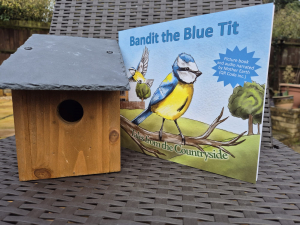
Meet Bandit the Blue Tit – Our New Children’s Storybook!

We’re thrilled to announce the release this year of our Bandit the Blue Tit storybook! This enchanting children’s wildlife tale is designed for kids aged 3–10 and is packed with adventure, beautiful illustrations, interactive colouring pages, and downloadable audio tracks.

With Bandit, children can explore the world of nature, learn about British wildlife, and discover the joy of storytelling in a fun and educational way.

About Bandit the Blue Tit

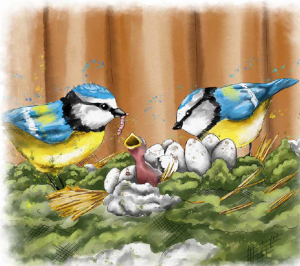
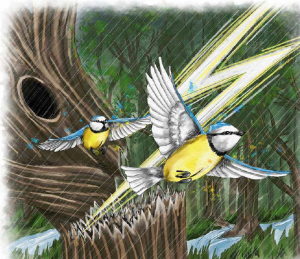
Bandit and his partner Willow are looking for a home to raise their brood of chicks after their first nest site is destroyed by a bad storm. They luckily find an empty nest box and the story unfolds, much like what is actually happening right now in gardens across the land as the nesting season continues. Through our adventures, children learn about caring for wildlife, protecting their environment, and making a positive impact on the world around them.


Why a Blue Tit?

Blue tits are iconic garden birds in the UK, known for their bright feathers and playful behaviour. Bandit and his partner Willow, bring these traits to life, helping children connect with real-life wildlife while enjoying an engaging and meaningful story.

Supported By / Special Thanks

We are delighted to acknowledge the incredible support from experts who helped enhance the Bandit the Blue Tit storybook with their knowledge and insights. Their contributions have made the story richer, more accurate, and even more engaging for children.

A huge thank you to:

Their expertise ensures that Bandit the Blue Tit is not only fun and entertaining but also educational and scientifically informed.

Learning Through Play

Our storybooks combine fun with education. Children can:

  • Learn about British wildlife and garden conservation
  • Develop environmental awareness and responsibility from a young age
  • Follow the actions/messages to bring new life into their gardens and green spaces
  • Improve literacy and listening skills while following the audio story
  • Express creativity through colouring and drawing activities

By engaging with Bandit’s story, children gain knowledge about nature while enjoying a playful, interactive experience.

Order a copy of Bandit the Blue Tit Storybook today!

Don’t miss out! Order your copy of Bandit the Blue Tit storybook today and give your child a magical journey into the world of British wildlife.

Why You’ll Love Bandit

Parents, teachers, and children love our storybooks because they combine entertaining storytelling with important educational messages. Bandit helps children connect with nature, develop creativity, and understand wildlife conservation in a fun and age-appropriate way.

For enquiries or bulk orders for schools, contact us at Hello@talesfrommotherearth.co.uk

Darcy’s Tale – The Groundwater Flooding Storybook Project (And How You Can Get a Copy!)

Darcy’s Tale is more than a children’s book — it’s a powerful groundwater flooding education project designed to help young readers understand the changing world around them.

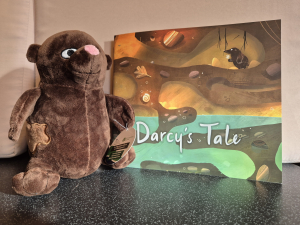
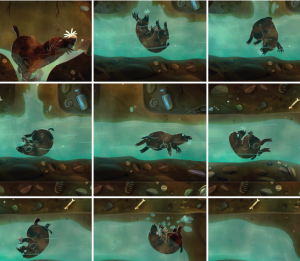
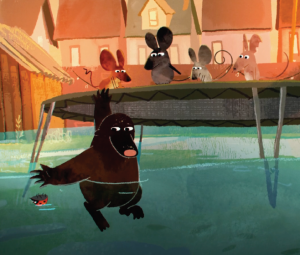
We were delighted to collaborate with Project Groundwater Greater Lincolnshire and the Environment Agency on this inspiring initiative. The project first began as an award-winning short film created by Aardman, before evolving into a beautifully illustrated children’s storybook, officially published in June 2025. And now, you have the opportunity to own your very own Darcy cuddly toy and copy of the book — keep reading to find out how.

A children’s storybook about groundwater flooding

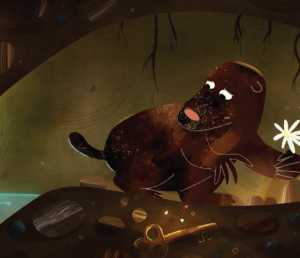
At the heart of Darcy’s Tale is Darcy — a small mole with a big story. While searching for love, Darcy encounters the realities of groundwater flooding, helping children explore this complex environmental issue in a gentle, accessible way.

The story goes beyond flooding awareness. It carries a strong message of:

  • Community spirit

  • Resilience in times of adversity

  • Looking out for one another

  • Environmental responsibility

These themes feel more relevant than ever.

Why groundwater flooding education matters now

Our environment is changing rapidly. Across the UK, severe storms are becoming more frequent and intense. Weather forecasts featuring red, amber and yellow alerts, including warnings to life, are no longer rare occurrences.

With heavier rainfall comes increased risk of groundwater and surface water flooding — a direct consequence of climate change and shifting weather patterns.

That’s why educating children about groundwater flooding is so important. By introducing these topics early, through engaging storytelling, we help young people:

  • Understand environmental risks

  • Build awareness and preparedness

  • Develop resilience

  • Feel empowered rather than afraid

Darcy’s Tale makes this urgent subject age-appropriate, memorable and hopeful.


Darcy’s Tale is produced as part of Project Groundwater Greater Lincolnshire, which is funded by Defra as part of the £200 million Flood and Coastal Innovation Programmes which is managed by the Environment Agency. The programmes will drive innovation in flood and coastal resilience and adaptation to a changing climate.

What is groundwater flooding?

Groundwater flooding is the lesser known or understood reason for flooding in that, it’s not a river breaking its banks after a deluge of rain. No, groundwater flooding can appear days, weeks or even months after the rain has fallen, causing it to be very unpredictable indeed. Groundwater flooding occurs when the level of water within the rock or soil underground (i.e the water table) rises. Water can  then seep up through the land, up to the surface and break out causing a flood. Groundwater can also overwhelm existing drainage systems and watercourses leading to a lack of capacity for these networks to hold rainwater and thus leading to increased surface water flooding.

Let’s hear from Vicky Jones and Brett Rycroft-Jones Flood Resilience Programme Co-ordinators at Lincolnshire Country Council:

“Flooding can be devastating for communities from all sources and groundwater is especially difficult as it can occur long periods after a rainfall event and can be quite isolating to those whom experience it. Educating children on flooding matters to building future resilience and Darcy’s Tale has been a great way to do this building on the animation with the beautifully created book by TfME. We’re proud to be sponsoring the books rollout on a national scale.”

– Vicky Jones

“It is important for children to learn about flooding and its impact because it builds personal resilience, equips them with life-saving knowledge, and empowers them to become active contributors to their community safety. This education helps mitigate both the immediate physical dangers and the long-term psychological impacts of flood events. Ultimately, teaching children about flooding and Groundwater is an investment in creating safer, more informed, and resilient communities that are better equipped to face future climate challenge”

– Brett Rycroft-Jones

Getting out and about with Darcy’s Tale – raising groundwater flooding awareness in schools

Children across the UK are discovering the powerful message behind Darcy’s Tale — and the movement is growing.

From classrooms to communities, young readers are connecting with Darcy’s Tale, our educational children’s storybook designed to raise awareness of groundwater flooding in a way that is engaging, memorable and age-appropriate. And of course, children absolutely love their cuddly Darcy mole toys — seeing them hug their very own Darcy brings the story to life in the most heartwarming way.

(Don’t miss the special message at the end of this page if you know a child who would love their own Darcy toy and storybook.)

Visiting Heighington Millfield Primary Academy, Lincolnshire

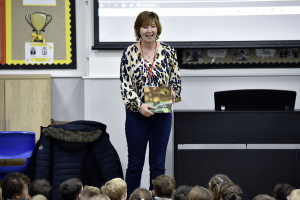
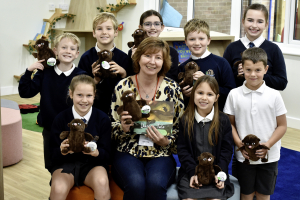
Recently, we had the privilege of visiting Heighington Millfield Primary Academy in Lincolnshire to share Darcy’s Tale with pupils and teachers. It was a particularly poignant visit.

Following Storm Babet in October 2023, groundwater and surface water flooding swept through the school, forcing it to close for a significant period. This community understands the devastating impact of flooding first-hand. Meeting the children who experienced this event was both humbling and inspiring.

Now, just over two years on, the strength, resilience and community spirit within the school shines brighter than ever. Sharing Darcy’s Tale with them — a story that helps children understand groundwater flooding and environmental awareness — was truly an honour.

And yes — cuddly Darcy moles were in very high demand! Every child received their own Darcy toy and a copy of the storybook to take home, helping continue the conversation with families beyond the classroom.

Working together to educate the next generation

In partnership with Lincolnshire County Council and the Environment Agency, a coordinated effort is underway to ensure children across the country are informed, prepared and aware of the risks of groundwater flooding.

By using Darcy’s Tale as an educational tool, we are helping schools introduce important environmental topics in a positive, empowering way — building knowledge, resilience and confidence in young people nationwide.

.


Pictures courtesy of Stuart Wilde Photography 

Win a Darcy Mole Toy & Darcy’s Tale Children’s Storybook

Now it’s your turn to bring home your very own Darcy mole and the magical children’s storybook Darcy’s Tale!

We’re giving away a limited number of Darcy mole cuddly toys and copies of our beautifully illustrated storybook to children aged 3–10 years.

How to enter:

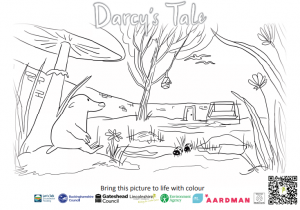
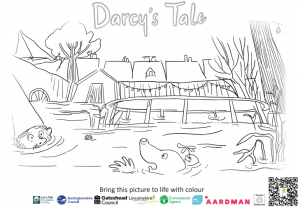
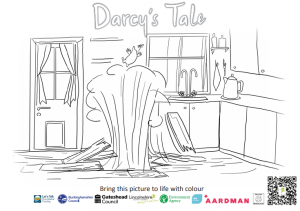
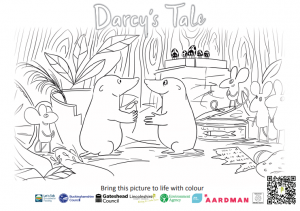
  1. Download one of our official Darcy mole colouring sheets from the Lincolnshire Council Project Groundwater website.

  2. Get creative and colour it in!

  3. Email your finished masterpiece to Hello@talesfrommotherearth.co.uk

🎁 Every colouring sheet received wins a Darcy mole toy and a copy of Darcy’s Tale — while stocks last!

Perfect for young readers who love nature stories, cute characters, and creative fun.

Don’t miss out — this is a limited-time giveaway, and once our Darcy moles are gone, they’re gone!


Guest Blog by Georgie McIntyre – Avant Consultancy Ltd, where she explores whether or not children have lost the art of playing outside and the importance of this.


Not long ago, childhood meant grazed knees, muddy hands, and imaginations fuelled by nothing but the natural world. These days, I often wonder if children have lost the art of playing outside.

For many of us, the answer feels uncomfortable. The pull of screens, tightly packed schedules, and growing worries about safety have shifted the shape of childhood. But quietly, gently, there’s a movement rekindling our children’s connection with the world around them. And Tales from Mother Earth is one of its brightest sparks.

Founded by the passionate and brilliant Jenny Bailey, Tales from Mother Earth is an eco-publishing company producing beautiful, immersive storybooks told through the voice of Mother Earth herself. Their mission? To ignite the conservationist in all of us, especially children, through the simple yet powerful medium of storytelling.

Their philosophy is simple yet impactful:

“Let’s teach our kids what they can do to look after the wildlife that needs help today and improve our children’s mental health at the same time, whilst they listen and engage with a story that touches their hearts, connecting them with nature in the most positive of ways.”

And they do exactly that, through engaging, emotionally relatable storytelling for children aged 3–10.

I had the joy of interviewing Jenny last year and was struck by her authenticity, drive, and belief in this work. She’s a mother to a neurodivergent child, and her passion for accessible, real-world education shines through everything she does. Her approach is storytelling with heart and purpose. It’s about giving children the tools to care, the language to understand, and the belief that they can make a difference.

Tales from Mother Earth’s Storybooks

In just four short years, they’ve brought to life a collection of characters that children adore and provide real-world learning:

🐝 Meet Phoebe the Bee – a hardworking little bee who could be any of the busy pollinators in your garden. Phoebe bravely tries to save her family and hive. Through Phoebe’s story, children learn how vital bees are to our ecosystems and what simple actions they can take to help.

🦔 Meet Spike the Hedgehog – a brave young hedgehog on a journey to find a safe new home. Spike could be the next prickly friend you discover rustling through your garden at dusk. His story encourages children to think about how small changes to our habits and spaces can help protect this much-loved mammal.

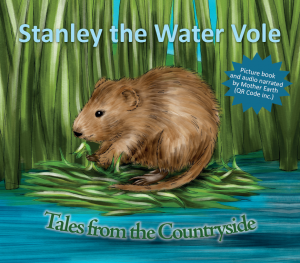
🌊 Meet Stanley the Water Vole – a curious riverbank explorer who suddenly notices strange new visitors… pieces of plastic falling from the sky and polluting his beloved waterway. Stanley’s story gently explores the impact of plastic waste on wildlife while showing children they can be part of the solution.

🌲 Meet Sitka the Spruce, the Amazing Timber Tree – a story that celebrates the qualities of timber, particularly the Sitka Spruce, the tree of choice across the UK’s timber industry. (Commissioned by Morgan Sindall), this book teaches children about sustainable forestry and how timber can be reused within the built environment.

🌼 Journey to the Green Roof – commissioned by the GRO (Green Roof Organisation),  We meet Freya, a hairy-footed flower bee, and Sarah, a European seven-spotted ladybird, each swept up in their own unexpected adventure. This story explores the incredible biodiversity benefits of green roofs. As the day unfolds, everything changes for them in ways they never imagined, but both come to the same heartfelt conclusion that every roof should be green.

Each book is designed to educate and inspire without fear or anxiety, helping children see that everyone can do something. And they’re not just learning about nature; the books help to build emotional connection, empathy and a sense of responsibility.

Explore our Children’s Nature Book Collection now!

What I love most is that these stories go beyond the facts. They nurture empathy, curiosity, and care. They connect young minds to the real world around them, encouraging questions. That matters. Especially when we know that time spent in nature benefits children’s mental health and emotional wellbeing. Research shows that taking children out supports creativity, improves immunity, reduces anxiety, and helps young children feel more grounded. It’s a natural reset to any climate anxiety a child may be experiencing. A reminder that everyone can do something.

Whether it’s through Forest School, outdoor education, or just having the freedom to get muddy, children need time outside. And when that experience is woven with kindness, storytelling, and purpose, it becomes even more powerful.

The research backs it up……

Outdoor play has enormous benefits for children across every aspect of their development:

Physical health

Outdoor play supports improved fitness, coordination, and stamina. Children who spend more time outside are more physically active and less likely to become overweight (NI Direct, 2024). Natural sunlight also supports healthy vitamin D production, which is vital for bone growth and overall wellbeing.

“Children who engage in outdoor play exhibit improved physical fitness, agility, and stamina.”

Mental health and emotional wellbeing

Green spaces have been shown to reduce stress and improve children’s mood, sleep, and attention span. Spending time in nature has a calming effect, reducing stress and promoting relaxation. Outdoor play allows children to explore and take risks, fostering a sense of accomplishment and boosting self-esteem. According to the Children & Nature Network,

“Exposure to green environments significantly reduces symptoms of ADHD and improves attention in young people.”

Social and emotional development

Outdoor environments allow children to connect, play collaboratively, take risks, and build resilience. Nature play stimulates creativity and imagination, allowing children to invent their own activities. As highlighted in Child Mind Institute research:

“Children’s emotional regulation improves dramatically after just 20 minutes of outdoor, unstructured play.”

Cognitive development

Nature is an influential teacher. Exploring natural environments encourages creativity, problem-solving, and curiosity. Time outdoors has been linked to improved learning outcomes and stronger focus back in the classroom.

“Children who spend more time in nature have shown improved cognitive skills and better attention spans.” (Psychology Today, 2023)

Tales from Mother Earth champion these opportunities through gentle and grounded storytelling, it reconnects children with the world around them. It invites them to play, go outside, care, and understand that they are part of something bigger and that they can make a difference.

If you’re a parent, teacher, carer, or simply someone who wants to see children flourish, I encourage you to explore their work. You can find their storybooks here: https://talesfrommotherearth.co.uk/shop.

Let’s bring back the mud, the wonder, and the wild. Let’s help our children rediscover the art of playing outside and show them, through story and nature, just how much they matter in this world.

Georgie is the founder of Avant Consultancy Ltd, who supports Tales from Mother Earth and organisations who want to grow, scale or evolve, without losing sight of who they are and are values led. You can follow Georgie on https://www.linkedin.com/in/georgiemcintyre/ for more of her insights or DM if you are interested in her support.


References:

  • NI Direct (2024). Playing outdoors: The benefits for children. Available at: www.nidirect.gov.uk
  • Child Mind Institute (2023). Why kids need to spend time in nature. Available at: www.childmind.org
  • Children & Nature Network (2021). Research: Green settings and ADHD. Available at: www.childrenandnature.org
  • Psychology Today (2023). All kids need time in nature – and the planet needs that too. Available at: www.psychologytoday.com


Why Stanley? What’s in a Name?

Choosing the right character name for a children’s storybook is never accidental — and Stanley the Water Vole was no exception.

From the very beginning, the name Stanley perfectly captured the personality we imagined: curious, cautious, warm-hearted and quietly brave. Every character in our environmental children’s books is carefully named, sometimes after plenty of “buzz testing” to see what feels right. But with Stanley, the name stuck instantly — and it’s been a joy to see how many children and adults now adore him too.

Stanley isn’t just any animal — he’s a water vole, one of Britain’s most important yet vulnerable native mammals.

Water voles are often described as mini ecosystem engineers. Much like beavers (on a smaller scale), they play a crucial role in maintaining healthy riverbanks and supporting biodiversity. They are the largest vole species in the UK and have an incredibly varied plant-based diet.

In one scientific study, researchers examining a single water vole’s nest discovered an astonishing 182 different plants and berries stored for winter — just like Stanley does in our storybook.

However, water voles are sadly in serious decline. They are listed as Endangered on both the Great Britain and England Red List for Mammals. With an estimated UK population of around 132,000, they have experienced one of the most dramatic declines of any British mammal.

The main causes?

  • Habitat loss

  • Water pollution

  • Riverbank destruction

  • Plastic and litter contamination

And that’s exactly why Stanley’s story matters.

Stanley, Plastic Pollution & Protecting Our Rivers

Our children’s environmental storybook, Stanley the Water Vole, highlights the connection between wildlife and plastic pollution in a way young readers can truly understand.

Stanley doesn’t like humans near his burrow — they scare him. What he doesn’t realise is that some people are trying to help clean up the litter threatening his home.

Through storytelling, children learn:

  • How plastic pollution harms rivers and wildlife

  • Why litter affects biodiversity

  • How microplastics form and enter ecosystems

  • What we can all do to protect our waterways

By helping children connect emotionally with a wild animal, the message becomes lasting and meaningful.

And yes — many children tell us they never look at crisp packets the same way again!

Creating Litter Champions in Schools

Stanley has helped create litter champions and young environmental warriors across the UK.

Our workshops and school resources use the Stanley the Water Vole storybook to explore:

  • Plastic waste and decomposition timelines

  • Microplastics and their environmental impact

  • Recycling and waste management

  • The circular economy

  • Personal responsibility and positive action

Teachers and organisations continue to use Stanley’s story to engage pupils in environmental education in a way that feels empowering rather than overwhelming.

The best part?
Children truly get it. When we run workshops, pupils are eager to act responsibly and protect their environment — and that’s incredibly heartwarming to witness.

Buy Stanley the Water Vole

You can purchase your copy of Stanley the Water Vole and explore our other environmental children’s storybooks in our online shop.

All storybooks now include a QR code to download four accompanying audio tracks, bringing the stories to life at home or in the classroom.

If you’d like information about our environmental education workshops and school resources, please get in touch directly at:
Hello@talesfrommotherearth.co.uk