
10 Wildlife Activities for Children This Summer (Fun Outdoor Ideas in the UK)
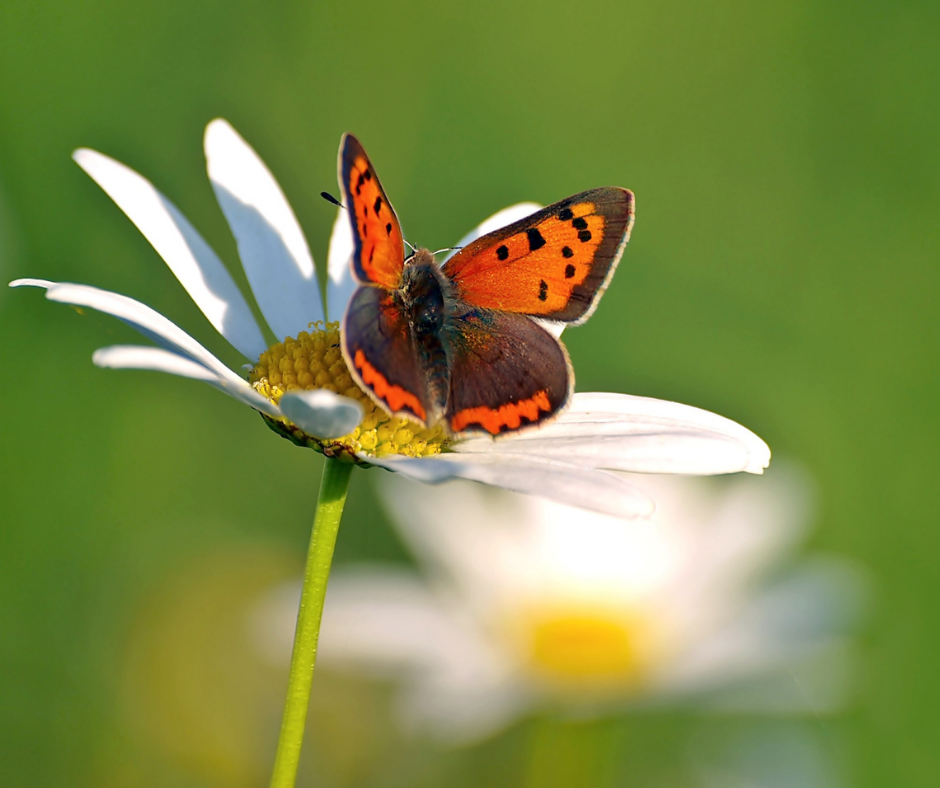
Summer is one of the best times to help children build a real connection with the natural world. With longer days, warmer weather, and wildlife more active than ever, it becomes much easier to encourage outdoor curiosity and learning.
These wildlife activities for children are simple, low-cost, and designed to be done in gardens, parks, woodlands, or even small outdoor spaces. The aim is not to teach in a formal way, but to help children explore, observe, and develop a lasting relationship with nature.
Wildlife activities for children are simple outdoor experiences that help kids explore, observe, and learn about animals, insects, and plants in their natural environment.
1. Mini-Beast Safari in the Garden
One of the most exciting nature activities for kids is searching for tiny creatures hidden in plain sight and many can be found in UK gardens!
Children can explore under leaves, logs, and stones to find insects such as beetles, ants, and spiders. These small creatures play a huge role in ecosystems and are perfect for encouraging curiosity.
Why it works:
It helps children slow down and notice detail in the natural world.
Try this:
Set a timer for 10–15 minutes and see how many different mini-beasts they can find.
You can find a wonderful Bug Directory here from Buglife to help you identify your bugs which is a great help.
2. Birdwatching from Home or Garden
Birdwatching is one of the easiest outdoor activities for kids and requires no special equipment.
Common UK garden birds include robins, blackbirds, and blue tits. Children can observe colours, behaviours, and even try to recognise bird songs.
Extension idea:
Create a simple bird journal or tick list of sightings.
This bird directory from the RSPB will help you identify what you see and hear.
3. Wildlife Activities for Children: Wildflower Colour Hunt
Instead of focusing on plant names, turn this into a colour-based game.
Ask children to find flowers of different colours—yellow, purple, white, pink—and explore where they grow.
This introduces pollinators like bees and butterflies in a natural and engaging way.
4. Pond Dipping Adventure
If you have access to a pond or nature reserve, pond dipping is a fantastic wildlife activity for children.
Using a net and tray, children can observe tadpoles, water snails, and aquatic insects.
Important:
Always supervise children closely and return all creatures gently to their habitat.
Here a useful ID guide from WWT to help you.
5. Build a Bug Hotel
Creating a bug hotel helps children understand that wildlife needs shelter as well as food.
Using natural materials like sticks, bark, pinecones, and leaves, children can build a small habitat in a quiet corner of the garden.
This supports pollinators and beneficial insects while teaching conservation in action.
There’s a great article here from the Woodland Trust that gives you some extra tips on building a bug hotel.
6. Butterfly Spotting Challenge
Summer is peak butterfly season in the UK, making this a perfect activity.
Children can look for species such as the peacock butterfly or small tortoiseshell and observe how they move between flowers in our parks and gardens.
Extra help at identifying what you see is available with the butterfly ID guide from the Wildlife Trusts
Extra challenge:
Try a “stillness test” — how long can you stay still while butterflies come close?
7. Nature Photography for Kids
Give children a simple camera or phone and encourage them to capture moments from nature.
This might include insects on leaves, birds in flight, or patterns in bark and flowers.
It builds observation skills and encourages patience and creativity.
Extra ideas and tips for taking great pictures of wildlife can be found here courtesy of National Geographic Kids.
8. Create a Wildlife Water Station
During hot weather, wildlife struggles to find water. A shallow dish filled with fresh water can make a real difference.
Place it in a shaded, quiet area of the garden and keep it topped up regularly.
This supports birds, bees, and even hedgehogs in UK gardens.
9. Wild Listening Walk
This activity shifts focus from sight to sound.
Ask children to close their eyes for short moments and listen carefully to:
- Birds singing
- Wind in trees
- Insects buzzing
- Leaves rustling
It helps children build awareness of the wider ecosystem around them.
10. Nature Treasure Collection
Children can collect natural objects found on the ground such as feathers, leaves, seed pods, and stones.
Important rule:
Only collect items that are already fallen—nothing living is disturbed.
Once home, children can sort and display their finds in a nature box or tray.
Why Wildlife Activities for Children Matter
These simple nature activities for kids do much more than fill time outdoors.
They help children:
- Develop curiosity and observation skills
- Build empathy for animals and insects
- Understand ecosystems in a practical way
- Reduce screen time naturally
- Form a lifelong connection with nature
When children begin to notice the small details—a bee on a flower or a bird in a hedge—they start to see themselves as part of the natural world, not separate from it.
Final Thoughts
Encouraging children to explore wildlife doesn’t require special tools or perfect locations. It just takes time, space, and a willingness to slow down and observe.
Even one or two of these wildlife activities for children each week can make a lasting difference in how children understand and care for the environment.

